


The Capabilities of AI Into Low-code
Low-code
Junica
AI
2023/09/20
6 min.
12



In today's fast-paced world, businesses are constantly seeking ways to innovate and streamline their operations. One technology that has gained significant traction in recent years is artificial intelligence (AI). However, developing AI solutions traditionally required substantial time, resources, and expertise. This is where low-code AI tools come into play. In this article, we will explore the concept of low-code AI tools, their benefits, and some popular use-cases.
Traditionally, building AI applications involved complex coding and specialized knowledge. However, with the advent of low-code AI tools, the barrier to entry has significantly reduced. These tools provide a graphical interface and pre-built components, allowing users to create AI solutions without extensive coding skills. Low-code platforms often include features like drag-and-drop interfaces, pre-built AI models, and automated workflows, making AI development accessible to a wider audience.
Use-Cases for Low-Code AI Tools
Customer Support Automation
Low-code AI tools can be utilized to automate customer support processes, enhancing efficiency and reducing response times. Chatbots powered by AI can handle basic customer queries, provide instant responses, and even escalate complex issues to human agents when necessary. This not only improves customer satisfaction but also enables businesses to allocate their support resources more effectively.
Data Analysis and Prediction
Another prominent use-case for low-code AI tools is in data analysis and prediction. These tools can help businesses extract meaningful insights from large datasets, identify patterns, and make accurate predictions. For example, low-code AI platforms can be used to develop predictive models for sales forecasting, customer behavior analysis, fraud detection, and more. By automating these processes, businesses can make data-driven decisions faster and stay ahead of the competition.
Process Automation
Low-code AI tools are also valuable for automating routine and repetitive tasks. By leveraging machine learning algorithms, businesses can automate processes such as data entry, document classification, invoice processing, and inventory management. This not only saves time and reduces human error but also enables employees to focus on more strategic and creative tasks, driving overall productivity and innovation.
Natural Language Processing
Low-code AI tools can also be used for natural language processing tasks. These tools enable businesses to analyze and understand human language, allowing them to automate tasks such as sentiment analysis, language translation, text classification, and speech recognition. NLP-powered low-code AI tools can be applied in various industries, including customer service, content moderation, and market research.
Image and Video Analysis
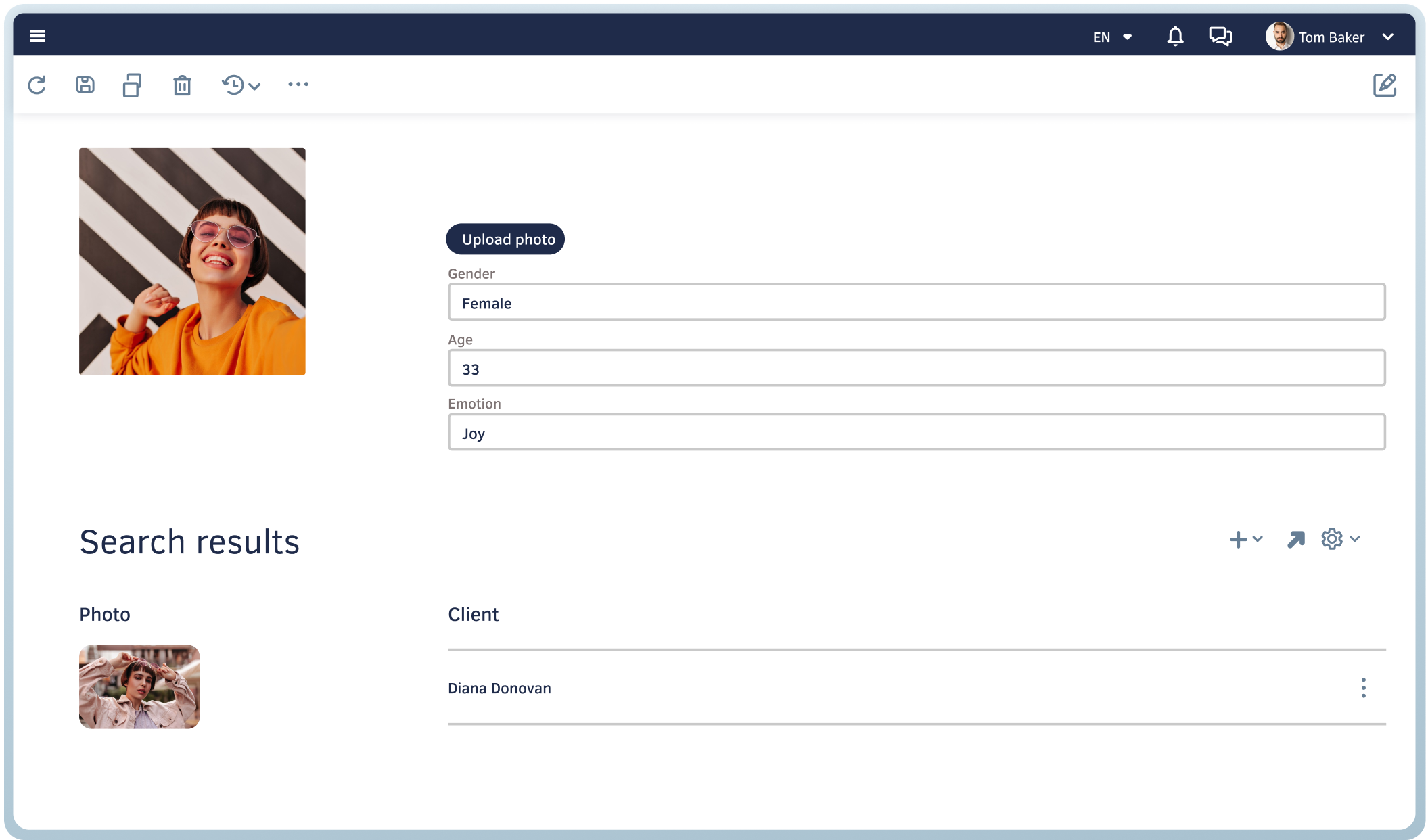
Low-code AI tools can also be leveraged for image and video analysis. These tools can help businesses automatically analyze images and videos to extract valuable information and insights. For example, low-code AI platforms can be used to develop applications for object detection, facial recognition, content moderation, video summarization, and even autonomous vehicles. This can be particularly useful in industries such as e-commerce, security, healthcare, and media.
Intelligent Decision-Making
Low-code AI tools can empower businesses to make intelligent decisions by leveraging AI algorithms. These tools can analyze data, identify patterns, and provide recommendations or predictions. For instance, low-code AI platforms can be used to develop personalized recommendation systems for e-commerce websites or optimize supply chain management by analyzing historical data and demand patterns.
Virtual Assistants
Low-code AI tools can also be used to develop virtual assistants that can interact with users and provide personalized assistance. These virtual assistants can understand natural language queries, provide relevant information, and even perform tasks on behalf of users. Virtual assistants powered by low-code AI tools can be implemented in various industries, including healthcare, finance, and customer service.
Quality Assurance and Testing
Low-code AI tools can be utilized for quality assurance and testing processes. These tools can automatically test software applications, identify bugs and vulnerabilities, and provide suggestions for improvement. By using low-code AI tools for quality assurance, businesses can ensure that their software applications are reliable, secure, and user-friendly.
Personalized Marketing
Low-code AI tools can help businesses deliver personalized marketing campaigns. These tools can analyze customer data, segment audiences, and provide targeted recommendations or advertisements based on individual preferences and behaviors. By leveraging low-code AI tools for personalized marketing, businesses can enhance customer engagement and improve conversion rates.
Autonomous Systems
Low-code AI tools also have the potential to enable the development of autonomous systems. These systems can perform tasks and make decisions without human intervention. For example, in the field of autonomous vehicles, low-code AI platforms can be used to develop self-driving cars that can navigate roads, make decisions based on real-time data, and ensure passenger safety. In industries such as manufacturing and logistics, low-code AI tools can be used to develop autonomous robots that can carry out complex tasks with precision and efficiency.
What industries are involved?
Low-code AI is transforming various industries. In healthcare, AI-powered chatbots can provide patients with medical advice, reducing the workload on doctors and nurses. In finance, AI can be used to detect fraud and automate credit scoring processes. In retail, AI can be used to provide personalized product recommendations to customers, improving their shopping experience.
In education, low-code AI can be used to personalize learning experiences for students, identify areas of improvement, and provide real-time feedback. In agriculture, AI can be used to optimize crop yield and reduce waste. In transportation, AI can be used to improve traffic flow and reduce congestion. Another essential use-case of low-code AI is in the field of marketing. AI can help businesses to better understand their customers by analyzing vast amounts of data. This analysis can help businesses to create highly-targeted marketing campaigns that are more likely to resonate with their customers.
Additionally, AI can help businesses to improve their lead scoring processes, allowing them to focus their sales efforts on the most promising leads.
Low-code AI can also be used to improve customer service. AI-powered chatbots can be used to answer common questions, freeing up customer service representatives to handle more complex issues. This can lead to improved customer satisfaction and loyalty.
Challenges and Opportunities
While low-code AI offers a solution to the technical hurdles of developing AI applications, it also presents some challenges. One of the significant challenges is the potential for biased outcomes. Machine learning models are only as objective as the data they are trained on. If the data used to train the model is biased, the model will produce biased results. Another challenge is the lack of transparency in how these models make decisions.
Despite these challenges, low-code AI presents significant opportunities. It allows businesses to create AI applications quickly, enabling them to innovate and transform their operations. Additionally, it can democratize AI, making it accessible to a broader range of businesses and individuals. With more businesses and individuals able to use AI, the potential for new ideas, applications, and innovations increases.
The rise of low-code AI has also created new opportunities for collaboration between humans and machines. AI can automate repetitive tasks, allowing humans to focus on more creative and strategic work. This collaboration can lead to new insights and discoveries that would not be possible with human or machine intelligence alone.
Future of Low-Code AI
The future of low-code AI is bright, with new platforms and tools emerging every year. As low-code AI becomes more accessible, we can expect to see more businesses adopting AI technology to improve their operations. Moreover, we can expect to see new and innovative use-cases for low-code AI as businesses continue to explore the possibilities of this transformative technology.